
What is a lead magnet?
A lead magnet is a free resource, tool or offer that a business gives away in exchange for someone’s contact details, usually an email address. The visitor gets something immediately useful (a checklist, a calculator, a discount, a template), and you get permission to keep marketing to them. That trade is the whole mechanism.
The name is literal: the asset acts like a magnet that pulls anonymous traffic into your contact list. You will also hear it called an opt-in offer, content upgrade, freebie, ethical bribe or gated content. They all describe the same exchange.
But here is the part most beginner guides skip: the format you choose matters more than the design. A 40-page ebook and a 30-second calculator can sit on the same landing page and convert at wildly different rates, because they speak to people at different stages of the buying journey. This guide breaks down nine formats, the conversion rates each typically delivers, which funnel stage and audience they suit, and the mistakes that leave you with a list of emails nobody opens.
Why lead magnets still work in 2026
Organic reach is unpredictable, ad costs keep climbing, and AI answer engines increasingly resolve questions before a user ever reaches your site. An owned email or SMS list is one of the few channels you fully control. A lead magnet is simply the entry point to that list.
Three things make the exchange work:
- Reciprocity. People who receive something useful feel a mild obligation to engage with what comes next.
- Self-selection. Someone who downloads a pricing calculator for warehouse automation has told you a great deal about their intent. That is first-party data you cannot buy.
- Permission. You move from interrupting strangers to emailing people who asked to hear from you.
The catch: the average visitor now sees dozens of opt-in boxes a week. Generic offers are ignored. Specific ones still convert very well.
Match the lead magnet to the funnel stage (this is the whole game)
Most failed lead magnets are not badly made. They are badly placed. A deep technical audit offered to cold blog traffic will flop. A 5% discount code offered to a buyer who is comparing three vendors will not move anything either.
Use this as your mental model:
| Funnel stage | Visitor mindset | Best lead magnet types | Goal |
| Top (awareness) | I have a problem, I am exploring | Checklists, cheat sheets, discount codes, data reports | Volume of qualified subscribers |
| Middle (consideration) | I am comparing approaches and vendors | Templates, swipe files, mini-courses, webinars, calculators | Education plus intent signals |
| Bottom (decision) | I am close to buying, show me proof | Free audits, trials, samples, ROI calculators, live demos | Sales-ready opportunities |
Rule of thumb: the closer to the sale, the higher the value you must deliver and the fewer leads you should expect. A top-of-funnel checklist may convert at 25% on a targeted page while a bottom-of-funnel audit converts at 3%. The audit can still be worth ten times more.

The 9 lead magnet types that convert
The conversion rates below are realistic ranges observed on dedicated landing pages and in-content opt-ins with warm, relevant traffic. Site-wide popups and cold paid traffic normally sit at the low end or below. Treat them as benchmarks to beat, not promises. An extended version exists for anyone curious.
1. The checklist or cheat sheet
One page, scannable, immediately actionable. The lowest-effort magnet to produce and often the highest converting, because the perceived time cost for the user is near zero.
- Typical conversion rate: 20% to 40% as an in-article content upgrade, 8% to 15% on a standalone page.
- Funnel stage: top.
- B2B example: a compliance software firm offering a Pre-Audit Readiness Checklist: 27 items to clear before your SOC 2 window inside a blog post about audit preparation.
- E-commerce example: a skincare brand offering a Routine Layering Order Cheat Sheet on product education pages.
- Watch out for: checklists so generic they could have been written by any competitor. Specificity is what converts.
2. The template or toolkit
A spreadsheet, Notion board, slide deck or document the user can copy and use today. Templates convert well because they remove work rather than add reading.
- Typical conversion rate: 15% to 30% on matched landing pages.
- Funnel stage: middle.
- B2B example: an agency giving away a Quarterly Content Calendar + Brief Template that happens to be structured around its own workflow, so adopting it makes the agency’s service feel like a natural extension.
- E-commerce example: a home organisation brand offering a Pantry Inventory Template that doubles as a shopping list for its products.
- Watch out for: templates with no instructions. Add a short how-to-use section or a two-minute walkthrough video.
3. The swipe file
A curated collection of proven examples: cold email scripts, subject lines, ad creatives, landing page teardowns, objection-handling responses. Swipe files sell the fantasy of shortcutting someone else’s testing budget.
- Typical conversion rate: 20% to 35% with practitioner audiences (marketers, founders, sales reps).
- Funnel stage: middle.
- B2B example: a sales enablement platform offering 50 Cold Emails That Booked Meetings, With the Reply Rates.
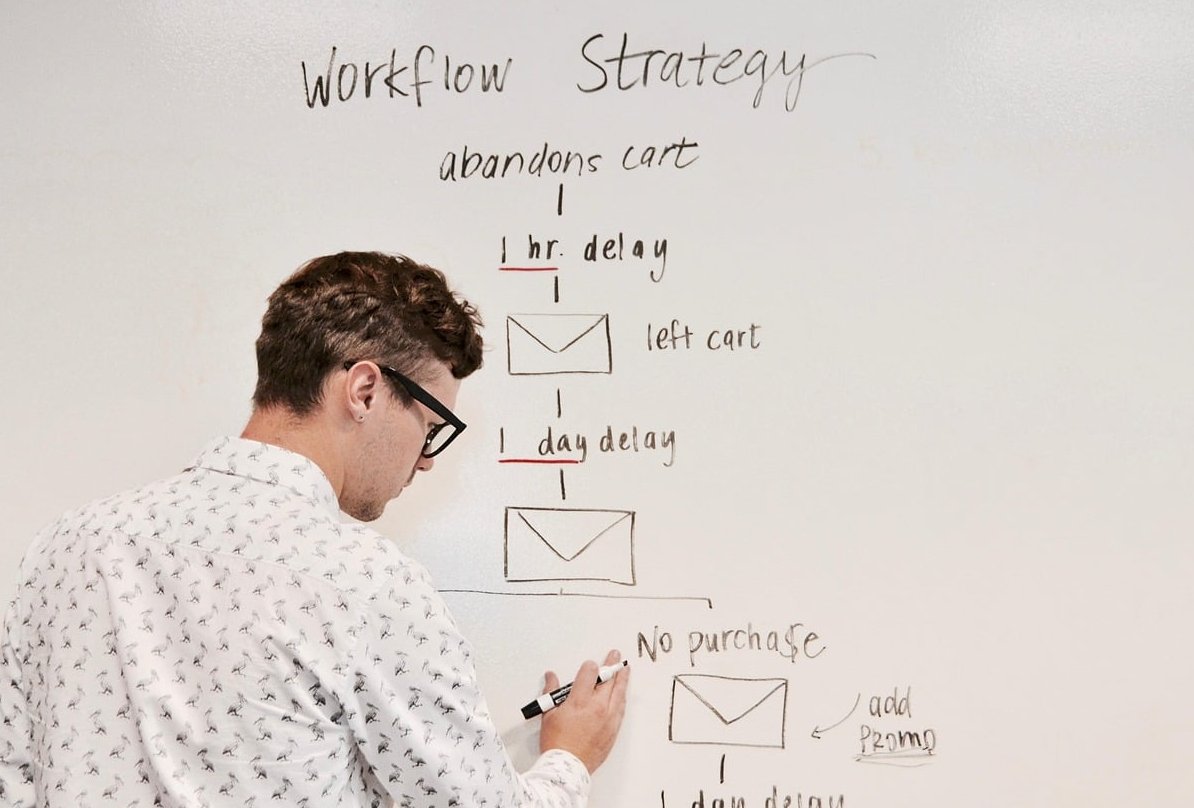
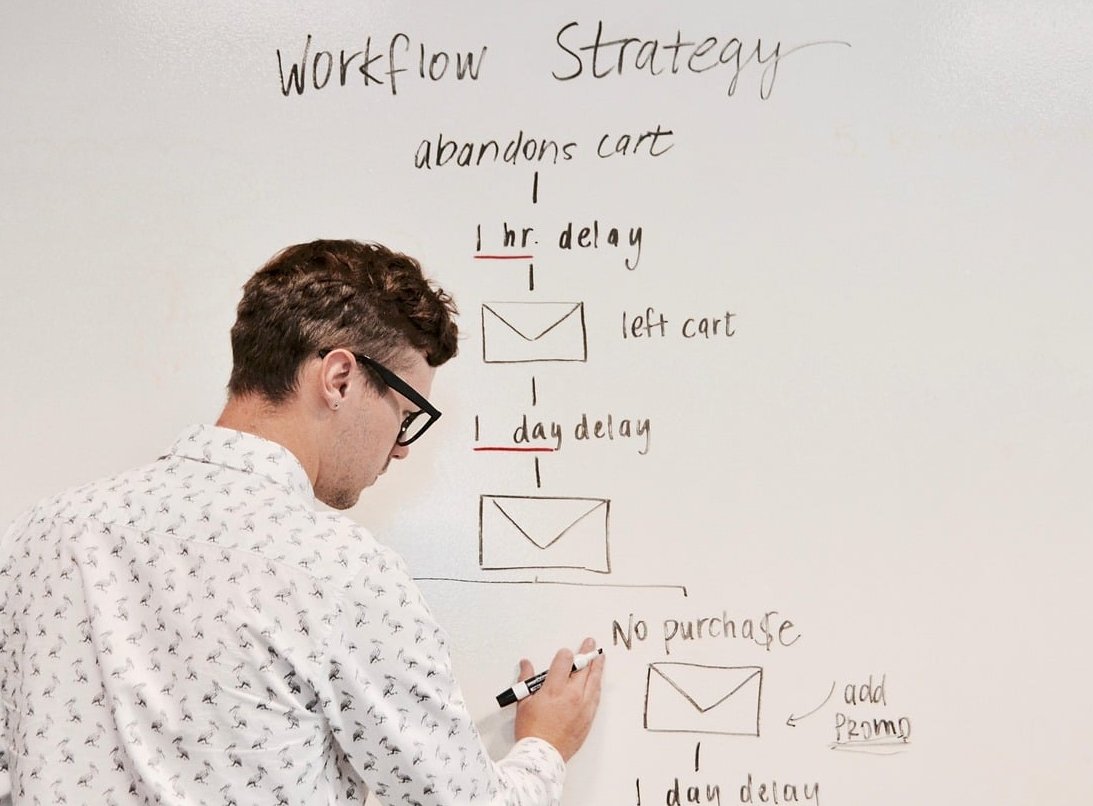
- E-commerce example: a Shopify app offering 30 Abandoned Cart Emails From DTC Brands, Annotated.
- Watch out for: swipe files only work for audiences who do the work themselves. Offer one to an executive buyer and it lands flat.
4. The email mini-course
Three to seven lessons delivered on a schedule. The genius of this format is that it is both the magnet and the nurture sequence, so consumption is built in rather than hoped for.
- Typical conversion rate: 10% to 25% opt-in, with open rates on lesson one commonly in the 45% to 65% range because expectations are set clearly.
- Funnel stage: middle.
- B2B example: a data platform running a 5-Day Dashboard Fundamentals Course, with the final lesson showing the problem solved inside its product.
- E-commerce example: a coffee roaster running a 7-Day Better Brewing Course, each day recommending one piece of gear or one bean.
- Watch out for: courses that teach everything and sell nothing. Plan the transition to the offer from lesson one.
5. The calculator or interactive tool
The user inputs their own numbers and receives a personalised result: ROI, cost per hire, shipping cost, carbon footprint, savings estimate. Interactive assets consistently outperform static PDFs because the output is unique to the person.
- Typical conversion rate: 20% to 40% of people who complete the tool will hand over an email to receive or unlock the full result.
- Funnel stage: middle to bottom. This is the single best intent-qualifying format in B2B.
- B2B example: a logistics SaaS offering a Warehouse Labour Cost Calculator. Sales knows the prospect’s headcount, volume and current cost before the first call.
- E-commerce example: a mattress brand offering a Firmness Finder quiz that emails a personalised recommendation plus a time-limited code.
- Watch out for: gating the result before any value is shown. Give a partial answer on screen, then gate the detailed breakdown.
6. The free audit, teardown or assessment
A human or semi-automated review of the prospect’s own situation: their website, their ad account, their supply chain, their tax setup. High value, high trust, low volume.
- Typical conversion rate: 1% to 5% of page visitors, but 20% to 40% of those leads often convert to a sales conversation.
- Funnel stage: bottom.
- B2B example: an SEO consultancy offering a 10-Point Technical Crawl Review delivered as a five-minute Loom video. The video format makes it feel personal and is faster to produce than a report.
- E-commerce example: a packaging supplier offering a Unboxing Experience Teardown for brands that ship them a sample box.
- Watch out for: capacity. Do not promote an audit you cannot deliver within 48 hours. A late audit is worse than no audit.
7. The discount, sample or first-order offer
The e-commerce workhorse. Straightforward, instantly valuable, and it attracts people with buying intent rather than browsing intent.
- Typical conversion rate: 4% to 12% on a well-timed popup, higher on exit intent for returning visitors.
- Funnel stage: top to bottom, depending on timing.
- E-commerce example: a fragrance brand offering a discovery set of five samples at the cost of shipping, with the sample price credited against a full-size purchase. The email list grows and the first purchase is effectively pre-funded.
- B2B example: a print service offering a free physical sample pack to verified business addresses.
- Watch out for: training your audience to never pay full price. Rotate between discount and non-discount offers, and consider free shipping or early access instead of a percentage off.
8. The original data report or benchmark study
Survey your market, publish the numbers. The only lead magnet type that also earns backlinks, press mentions and citations in AI answers, which compounds its value well beyond the list it builds.
- Typical conversion rate: 5% to 15% when gated, though many brands now ungate the report and gate the raw dataset or the segment-level breakdown instead.
- Funnel stage: top, with strong authority effects everywhere else.
- B2B example: a recruitment platform publishing an annual Salary and Attrition Benchmark by role and region. Prospects return to it every planning cycle.
- E-commerce example: a reviews platform publishing Return Rates by Product Category based on anonymised merchant data.
- Watch out for: thin samples. Fewer than roughly 200 respondents and your numbers will be challenged.
9. The free tool, trial or limited product access
Give away a genuinely useful slice of the product itself: a free plan, a 14-day trial, a standalone utility. The product becomes the magnet.
- Typical conversion rate: 3% to 10% of visitors start a trial or sign up for a free tier, with free-to-paid conversion commonly between 2% and 8% for self-serve products.
- Funnel stage: bottom.
- B2B example: an invoicing platform offering a free invoice generator. Users create invoices for months, then upgrade when they need recurring billing.
- E-commerce example: a virtual try-on or size-matching tool that stores preferences and emails back the saved results.
- Watch out for: a free tool that solves the problem so completely nobody needs the paid version. Solve one job brilliantly, not the whole workflow.

Side-by-side comparison
| Format | Typical opt-in rate | Funnel stage | Lead quality | Effort to build |
| Checklist / cheat sheet | 20% to 40% | Top | Low to medium | Low |
| Template / toolkit | 15% to 30% | Middle | Medium | Low to medium |
| Swipe file | 20% to 35% | Middle | Medium | Medium |
| Email mini-course | 10% to 25% | Middle | Medium to high | Medium |
| Calculator / quiz | 20% to 40% of completions | Middle to bottom | High | Medium to high |
| Audit / teardown | 1% to 5% | Bottom | Very high | High (ongoing) |
| Discount / sample | 4% to 12% | Top to bottom | Medium | Very low |
| Data report | 5% to 15% | Top | Medium | Very high |
| Free tool / trial | 3% to 10% | Bottom | Very high | High |
How to create a lead magnet in 7 steps
- Pick one audience and one problem. Not your whole market. Write the promise as a single sentence: Helps [specific person] achieve [specific outcome] in [specific timeframe]. If you cannot fill those blanks, the magnet will be vague.
- Mine your existing data for the topic. Your top three organic landing pages, your most asked sales questions, your highest-exit product pages and your support ticket tags will tell you exactly what people want. Do not brainstorm in a vacuum.
- Choose the format from the funnel table above. Cold blog traffic gets a checklist. A pricing page visitor gets a calculator or an audit. Match the effort you demand to the intent on the page.
- Build the smallest version that delivers the promise. A one-page PDF built in an afternoon beats a 40-page ebook that ships in March. Validate demand before you invest in production.
- Write the opt-in copy around the outcome, not the object. Get the 12-point checklist is weak. Cut your onboarding time from 3 weeks to 5 days is strong. Keep the form to email plus, at most, one qualifying field.
- Place it where the intent already exists. In-content upgrades inside relevant articles, exit-intent on commercial pages, a slide-in at 60% scroll depth, the thank-you page after a purchase, your email signature, your social bios. One magnet on one generic footer form is a waste.
- Connect the follow-up before you launch. Delivery email, then a three to five email sequence that builds on what they downloaded and makes a clear next-step offer. The magnet is the start of the conversation, not the end.
The mistakes that build lists nobody opens
This is where most lead magnet programmes quietly fail. The opt-in rate looks healthy, the list grows, and six months later the open rate is 11% and sales has never closed a single deal from it. Usually one of these is the cause:
- The magnet is unrelated to what you sell. A giveaway of an iPad or a generic productivity pack will collect thousands of emails from people with zero interest in your product. Every lead magnet should be a smaller version of the outcome your product delivers.
- No consumption plan. Roughly half of downloaded PDFs are never opened. If your asset lives as an attachment nobody reads, it generates no trust. Deliver it on a web page instead, add a short video summary, or use the mini-course format where consumption is forced by the drip.
- The follow-up has nothing to do with the download. Dropping a checklist subscriber straight into your general newsletter kills relevance on day one. Tag by magnet and send a sequence that references what they asked for.
- Too much friction on the form. Each extra required field reduces conversions. Ask for email first, then progressively profile through behaviour and later forms.
- Too little friction for bottom-of-funnel offers. The inverse mistake. If sales needs company size and budget to qualify, ask. Fewer, better leads beat a flood of unqualified ones.
- No expiry or maintenance. Pricing changes, screenshots date, statistics go stale. Put a review date on every magnet and refresh or retire it. An asset citing figures from several years ago damages credibility.
- Measuring opt-ins only. Conversion rate is a vanity metric in isolation.
- Ignoring consent and data rules. Use clear, unbundled consent language, honour double opt-in where required, and never pre-tick boxes. A list built on sloppy consent is a liability, not an asset.
Metrics to track instead
| Metric | What it tells you | Healthy signal |
| Opt-in rate | Is the promise compelling and well placed | Beats the benchmark for its format |
| Consumption rate | Did they actually use it | Above 50% open or view of the asset |
| Sequence engagement | Is the follow-up relevant | Opens holding steady across emails 1 to 5 |
| Lead-to-opportunity rate | Is the magnet attracting buyers | Compare per magnet, retire the losers |
| Revenue per subscriber (90 days) | The only number that settles arguments | Trending up cohort over cohort |
A simple starting stack
You do not need a large budget. Most teams can ship a first lead magnet with:
- Creation: Google Docs or Canva for static assets, Notion or Sheets for templates, Loom for video audits, a no-code tool for calculators and quizzes.
- Capture: your CMS forms, or a dedicated popup and landing page tool with exit-intent and scroll triggers.
- Delivery and nurture: any email platform with tagging and automation, connected to your CRM so sales sees which asset each lead requested.
- Measurement: UTM tags on every placement plus goal tracking in your analytics tool.
Ship version one in a week. Improve it based on real numbers rather than opinions.
FAQ
What is a lead magnet example?
A classic example is a one-page checklist offered inside a blog post, such as The 27-Point Website Launch Checklist, delivered after the reader enters their email. Other common examples include a 10% first-order discount code on an online store, a free ROI calculator on a software pricing page, and a free account audit offered by an agency.
What is another name for a lead magnet?
Lead magnets are also called opt-in offers, content upgrades, freebies, gated content, ethical bribes or signup incentives. In e-commerce they are often simply called welcome offers.
How do you create a lead magnet quickly?
Take your best-performing existing article, extract its key actions into a one-page checklist or template, write a one-sentence outcome-focused promise, add an in-content form to that article, and connect a three-email follow-up. That can be done in an afternoon.
What is a good lead magnet conversion rate?
It depends entirely on format and placement. A targeted in-content upgrade can reach 20% to 40%. A site-wide popup usually lands between 2% and 6%. A bottom-of-funnel audit offer might convert at 1% to 5% but produce far more revenue. Always compare against the benchmark for the same format and the same traffic temperature.
Should a lead magnet be free?
Almost always yes, since the price is the contact details. One exception is the tripwire or paid sample, where a very low price (the cost of shipping, for instance) filters out freebie seekers and dramatically improves lead quality.
How many lead magnets should a business have?
Start with one, prove it works, then add one per major audience segment or funnel stage. Most mature programmes run between three and eight active magnets and retire anything that stops producing opportunities.
Do lead magnets work for B2B as well as e-commerce?
Yes, but the formats diverge. B2B leans towards calculators, benchmark data, templates and audits because the buying cycle is long and multiple stakeholders need convincing. E-commerce leans towards discounts, quizzes, samples and styling guides because the decision is fast and emotional.
The takeaway
A lead magnet is a free resource traded for contact details, but the definition is the easy part. The results come from choosing a format that fits where your visitor actually is, making a promise narrow enough to be believable, and building the follow-up before you build the asset.
Start with one audience, one problem and the smallest asset that solves it. Measure consumption and revenue, not just signups. Then expand format by format.
Need help choosing and building the right lead magnet for your funnel? The team at Innova8ive designs lead generation assets that qualify buyers instead of inflating lists. Get in touch to review your current funnel and identify the one magnet worth building next.